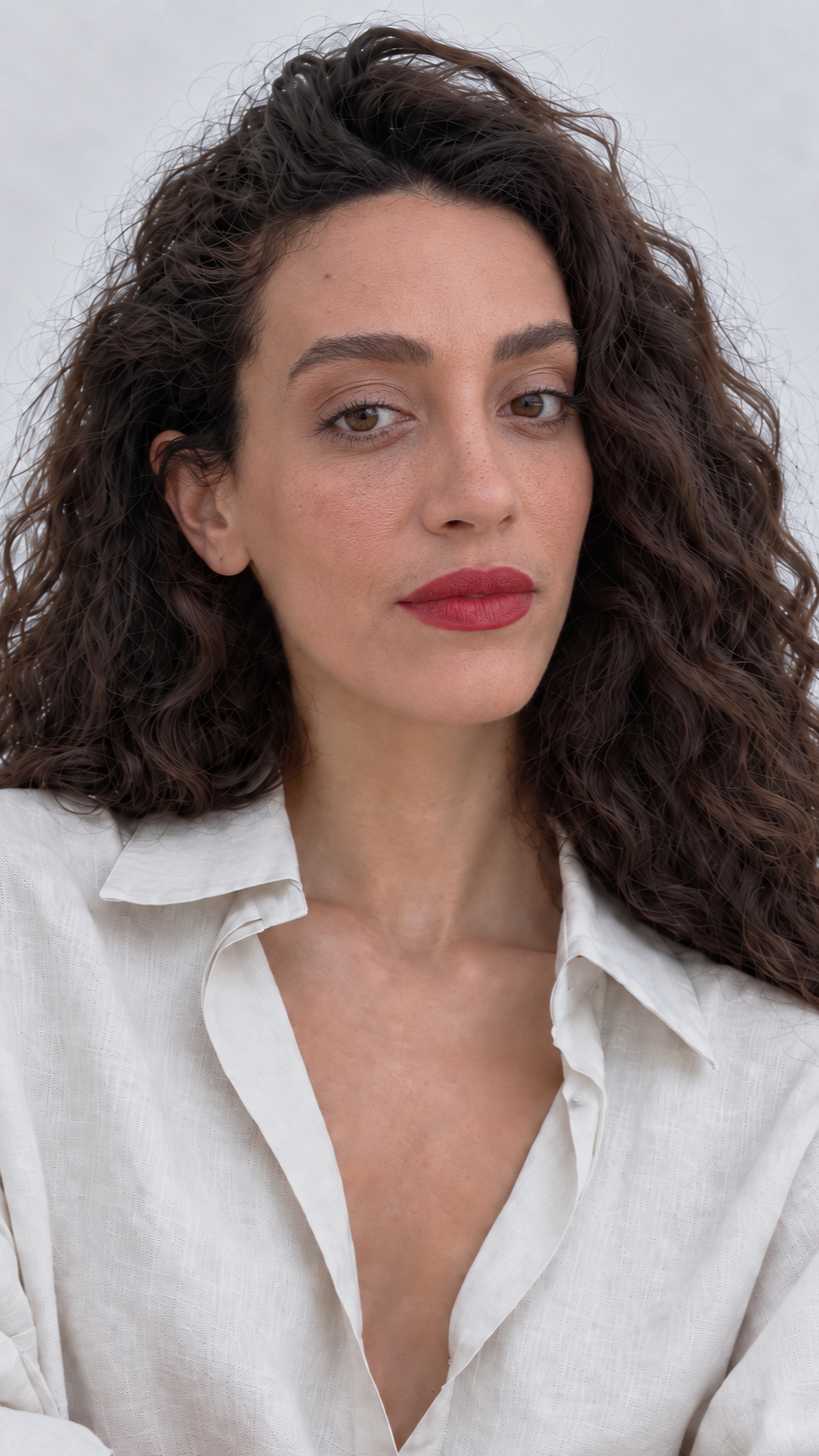
Emna Hussein is a Tunisian 3D Fashion Designer — a living fusion of ancestral craftsmanship and technological boldness, of North African soul and digital futurism, of modularity, meaning, and movement.
At its core lies a question: how do you wear the future without erasing the past? Our answer takes shape in printed structures, sculpted fabrics, and silhouettes coded with identity.
What defines us:
This is not about trends. It's about transmission.

Before creating garments, I crafted images — helping others define their visual identity. But I wanted more than pixels. I tried to make things real — with fabric, code, and intention.
Today, I design sculptural systems that live on the body and evolve with it. I blend 3D printing, modular logic, and traditional touch to create wearable narratives — not collections.
The future is modular, intentional, and shaped by hand. Step into it with me.


At Emna Hussein, materials are chosen not only for their function, but also for their philosophy. Each filament is a dialogue between tradition and innovation, between skin and code.
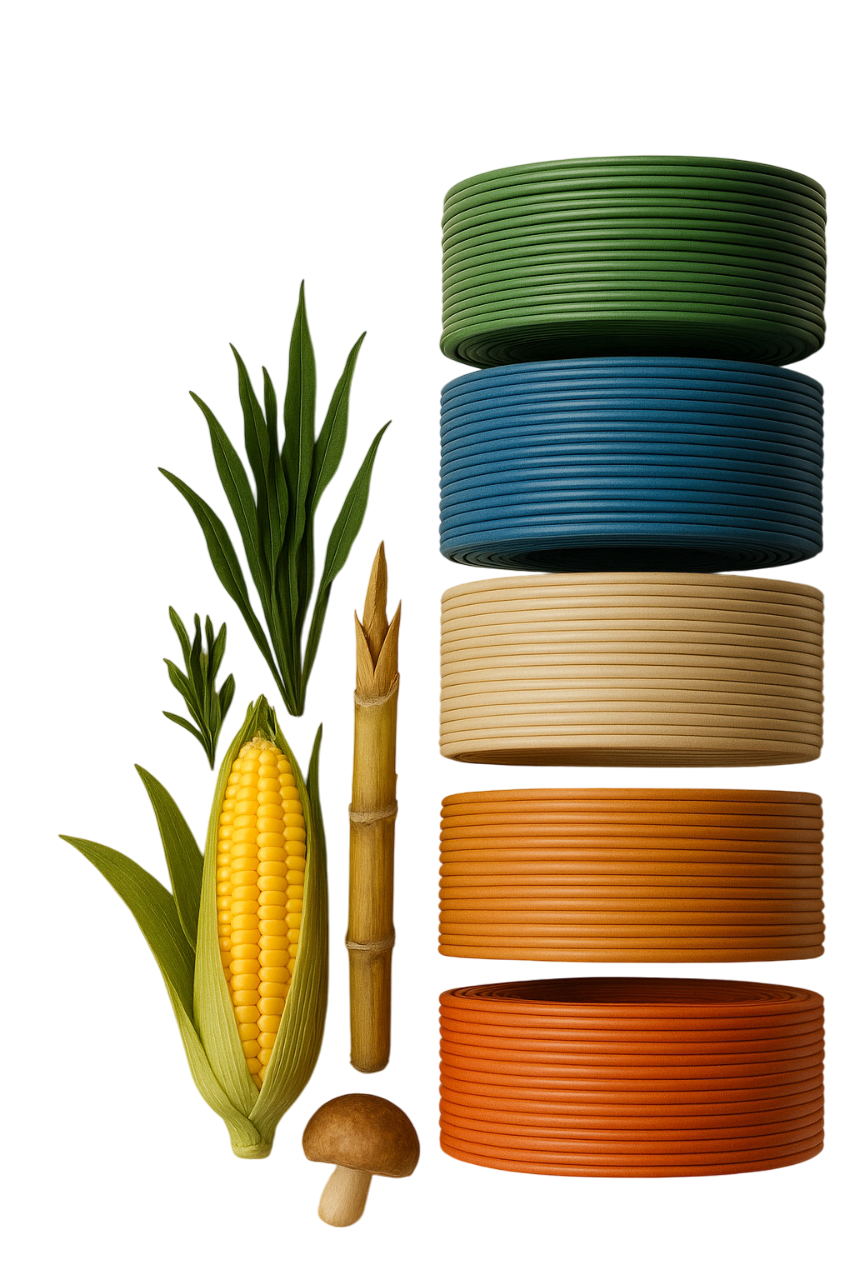
Made from renewable resources like corn starch or sugarcane, PLA is a plant-based biopolymer ideal for sculptural design. It is rigid, lightweight, and versatile, perfect for structural elements such as bags, frames, and detailed contours.
In selected Manifesto Lines, Emna Hussein uses advanced PLA composites with oyster shell, pine wood and olive-derived fillers, as well as biodegradable and compostable 3D-printing filaments made partly from reused organic waste.
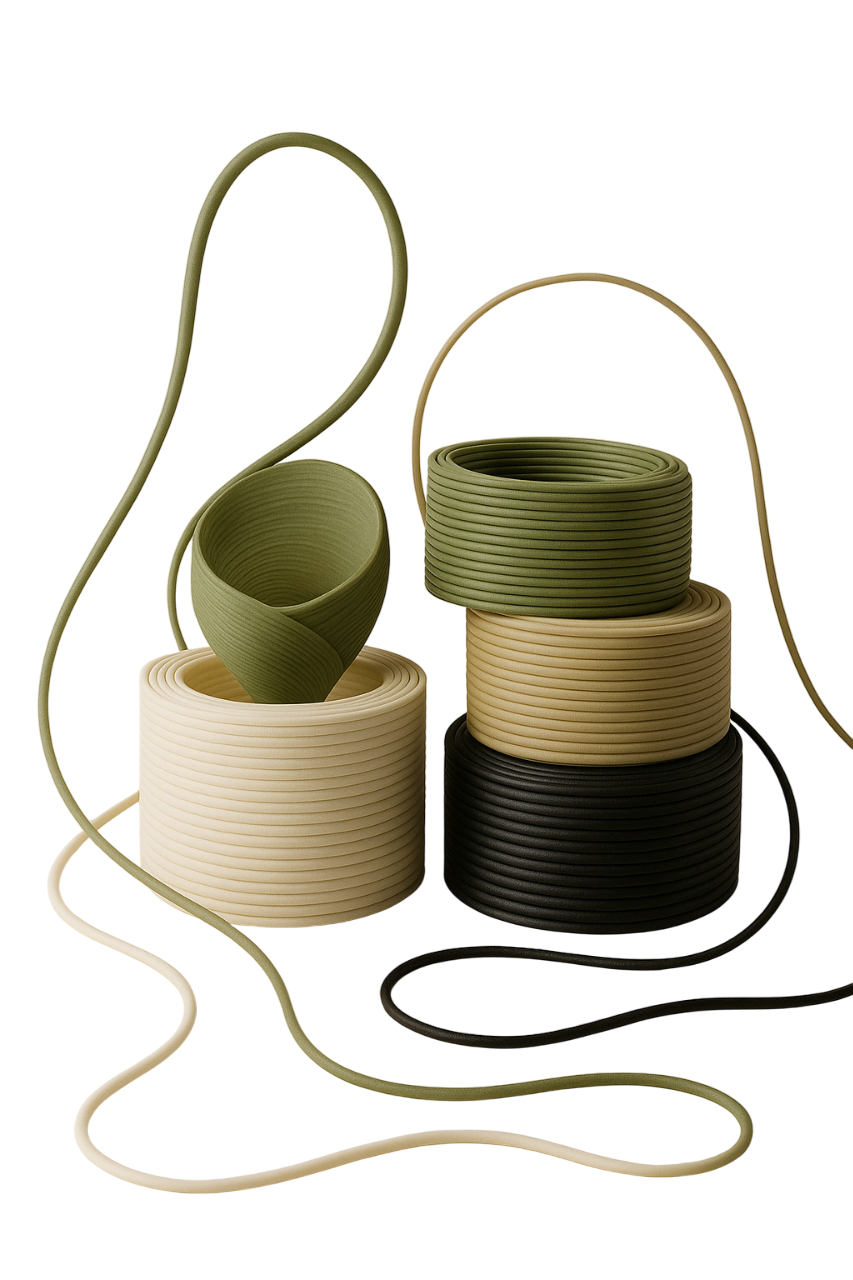
Sourced from flexible polymer filament, this material is designed for a soft, elastic feel. It enables movement, modularity, and wearability, making it ideal for pieces meant to live on the body.
In selected Manifesto Lines, Emna Hussein also explores advanced flexible composites, including oyster-based filaments and compostable TPU alternatives, creating hybrid textures that merge technology with nature.
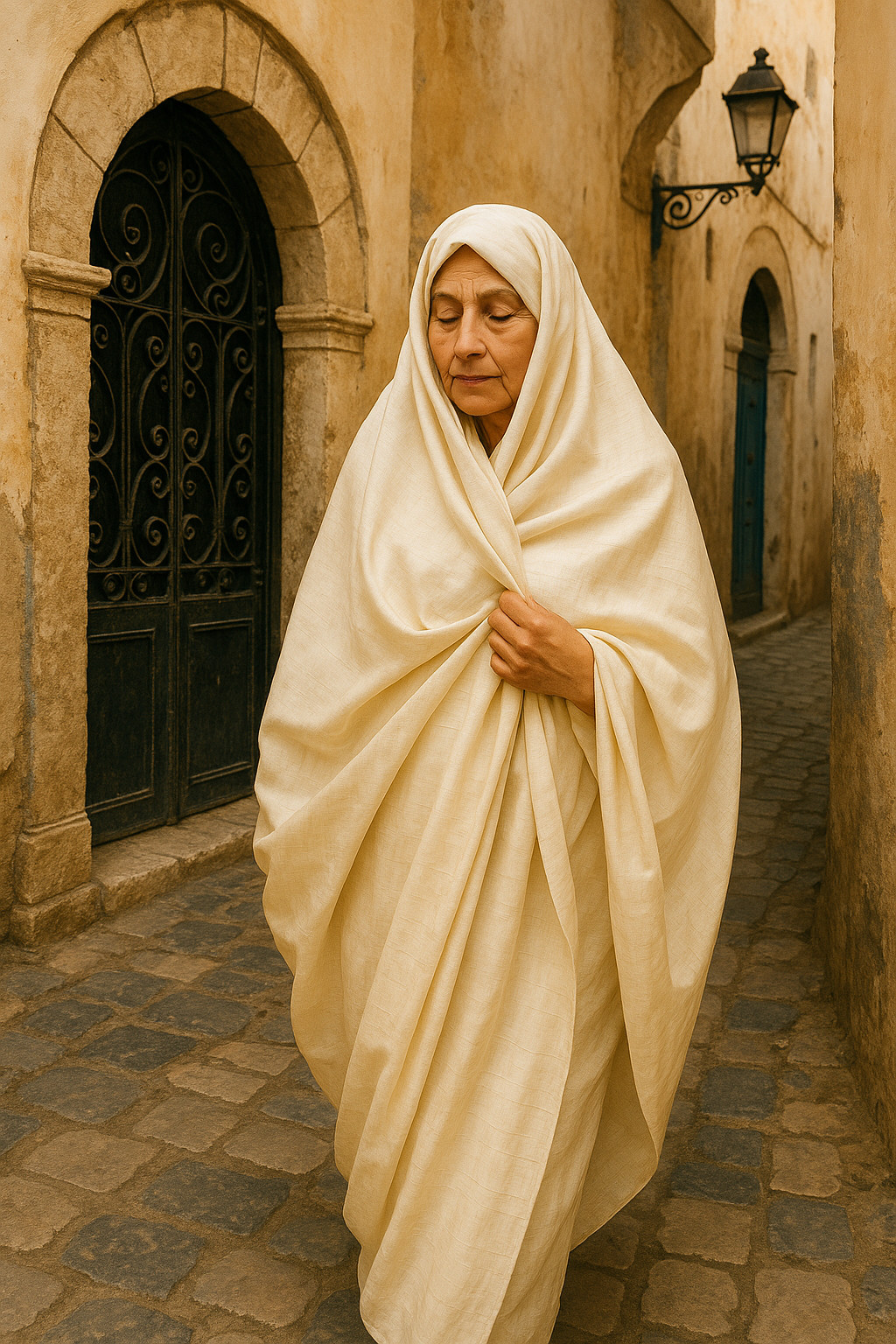
Across its early chapters, Emna Hussein pays tribute to Tunisia by revisiting the haïk, a traditional handwoven textile worn for generations by North African women. Woven from fine cotton or wool, the haïk drapes with softness and carries centuries of elegance, modesty and artisanal knowledge within its threads.
By hybridising this emblematic textile with 3D-printed structures, the brand creates a wearable dialogue between origin and innovation, body and cultural memory.
While these first chapters are rooted in Tunisian heritage, future collections will explore traditional textiles, weaving techniques and materials from across the Middle East and North Africa, creating new fusions, new silhouettes and new ways to wear identity.
We use FDM (Fused Deposition Modelling) — a method of additive manufacturing that layers melted filament with precision.
Why FDM for fashion?
At Emna Hussein, FDM is not just a tool — it's a philosophy. Sculpting with intention, not excess.

We don't follow trends — we reveal identities. Each piece is machine-sculpted and hand-finished. No two items are the same.
We design with: Modularity, Cultural code, Radical intention.
Rooted in North Africa, projected into the future.
Before the brand became a fashion-tech house, it was a tribute to Tunisian craft. The first collections were handmade in Tunisia, in collaboration with women artisans, using regional fabrics: harem, brocade, silks from Kairouan, wool from the South.
Image coaching and inclusive sizing were part of every experience — making the process as personal as the piece.
Today, the techniques have evolved. But the essence remains: to honour the handmade. To carry memory. To never forget our roots.